Building Equity in the Mobile Experience
HSBC
A global bank headquartered in London, known for its international finance, retail banking, and wealth management.
Context
Banking on Change
HSBC’s mobile banking experience was functional but uninspiring.
The app was built as a hybrid solution. iFrame-wrapped web screens inside native shells. This slowed core tasks and created inconsistencies between iOS and Android. It also struggled to compete with challenger banks offering fast, device-aware experiences.
Security and privacy were often conflated, adding unnecessary friction. Personalisation was treated as optional rather than expected. The product needed a rethink, not just a refresh.
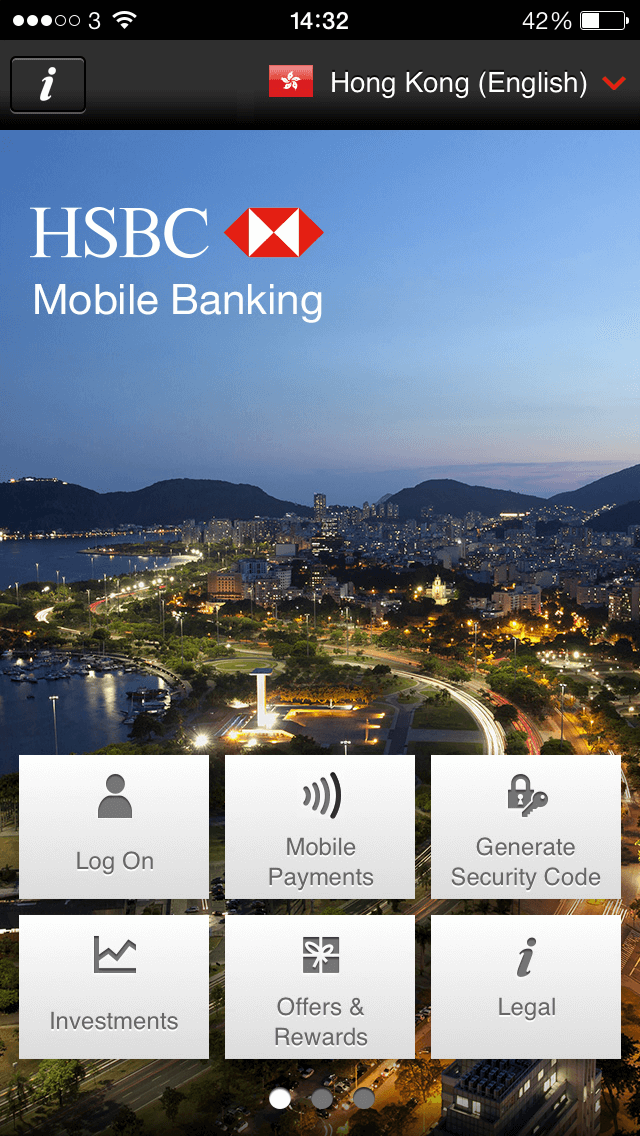
Dashboard (original hybrid)
[GROUP: Compare]
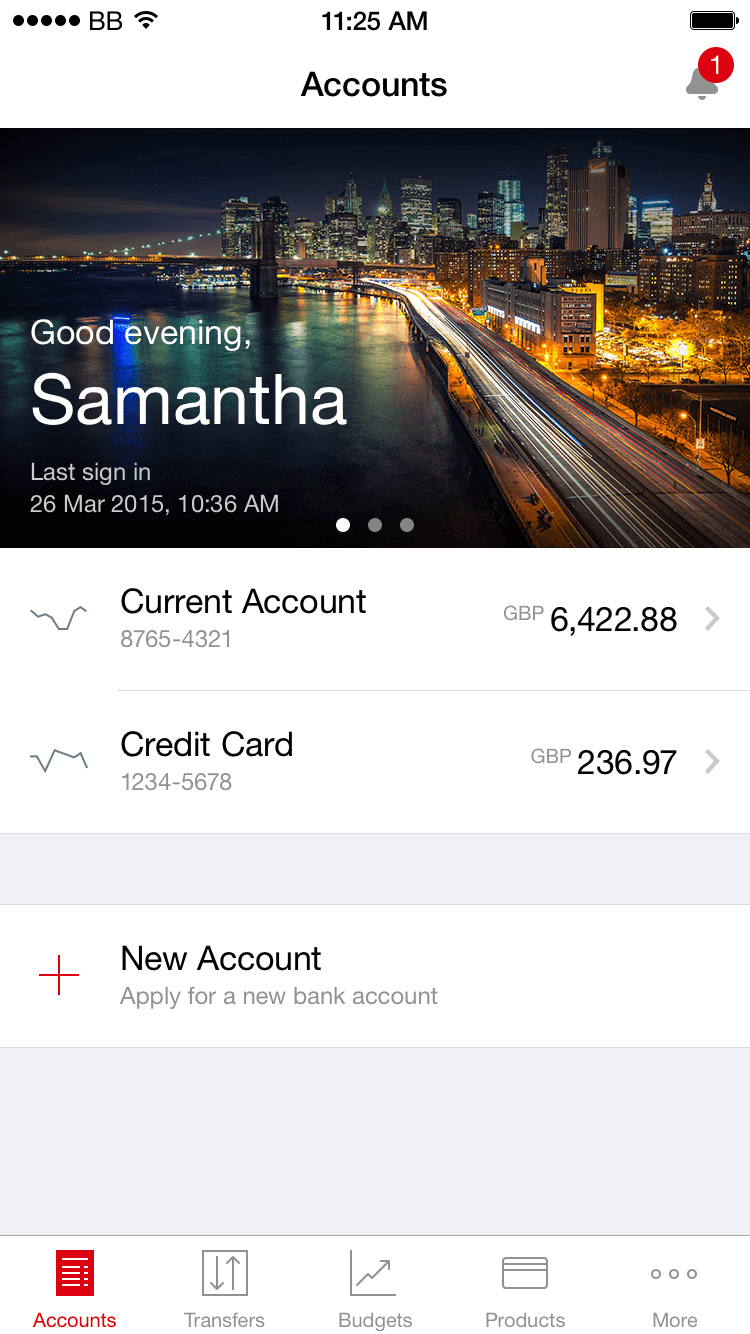
Dashboard (native redesign)
[GROUP: Compare]
Process
Shifting the Balance
Rather than iterating on the existing hybrid app, the work explored a broader replatforming vision under Mobile Service Platform 2.0.
The process started at the customer’s closest touchpoints, particularly mobile and wearables, then scaled upward. Native-first thinking prioritised speed, stability, and trust, while mobile-first journeys reframed how customers interacted with the bank.
Security was treated as an invisible foundation. Privacy and personalisation were designed as customer-controlled features. This shift positioned mobile banking as a product that could evolve with both technology and customer expectations.
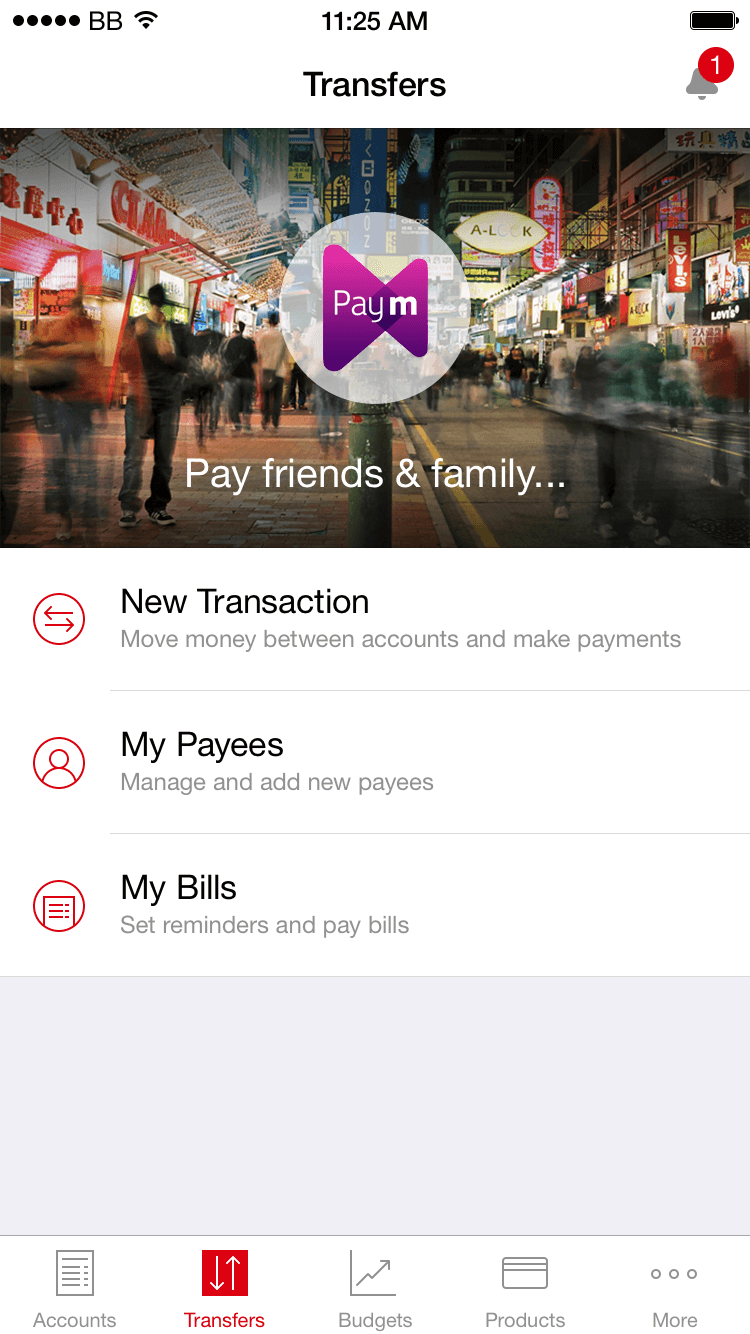
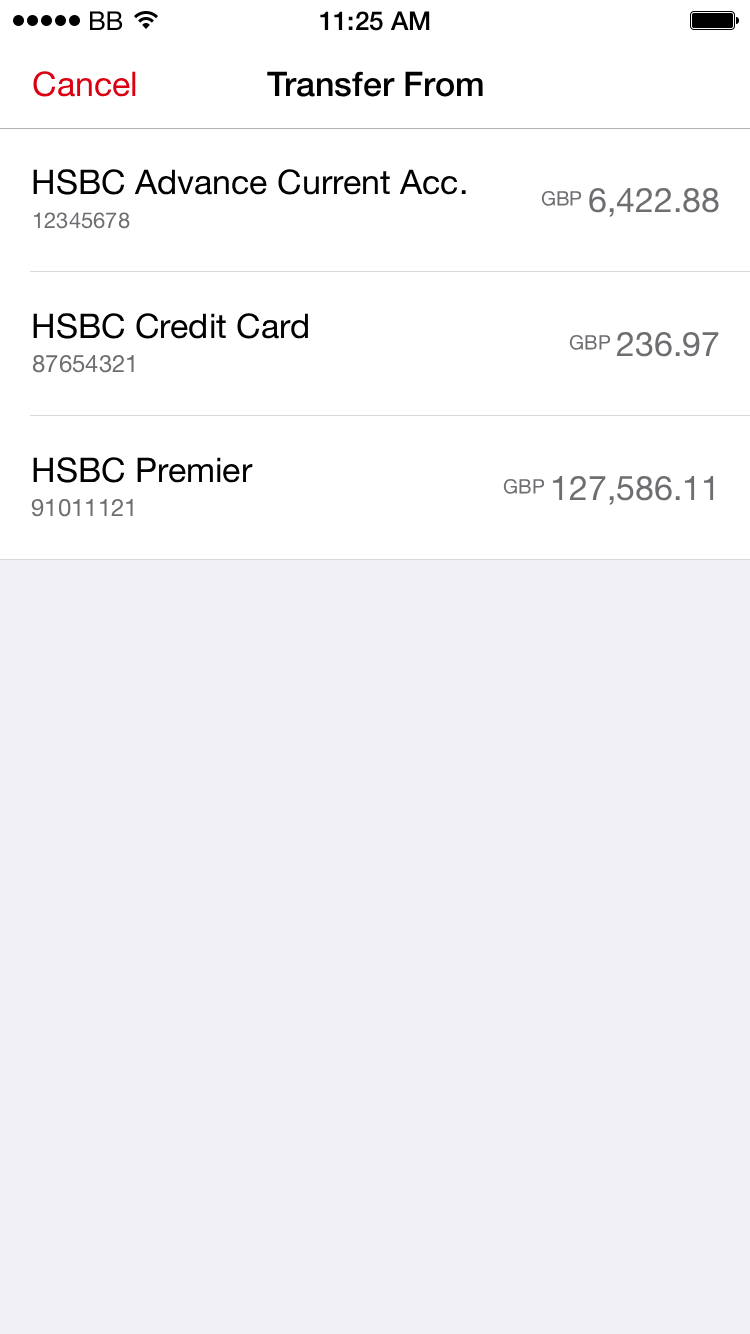
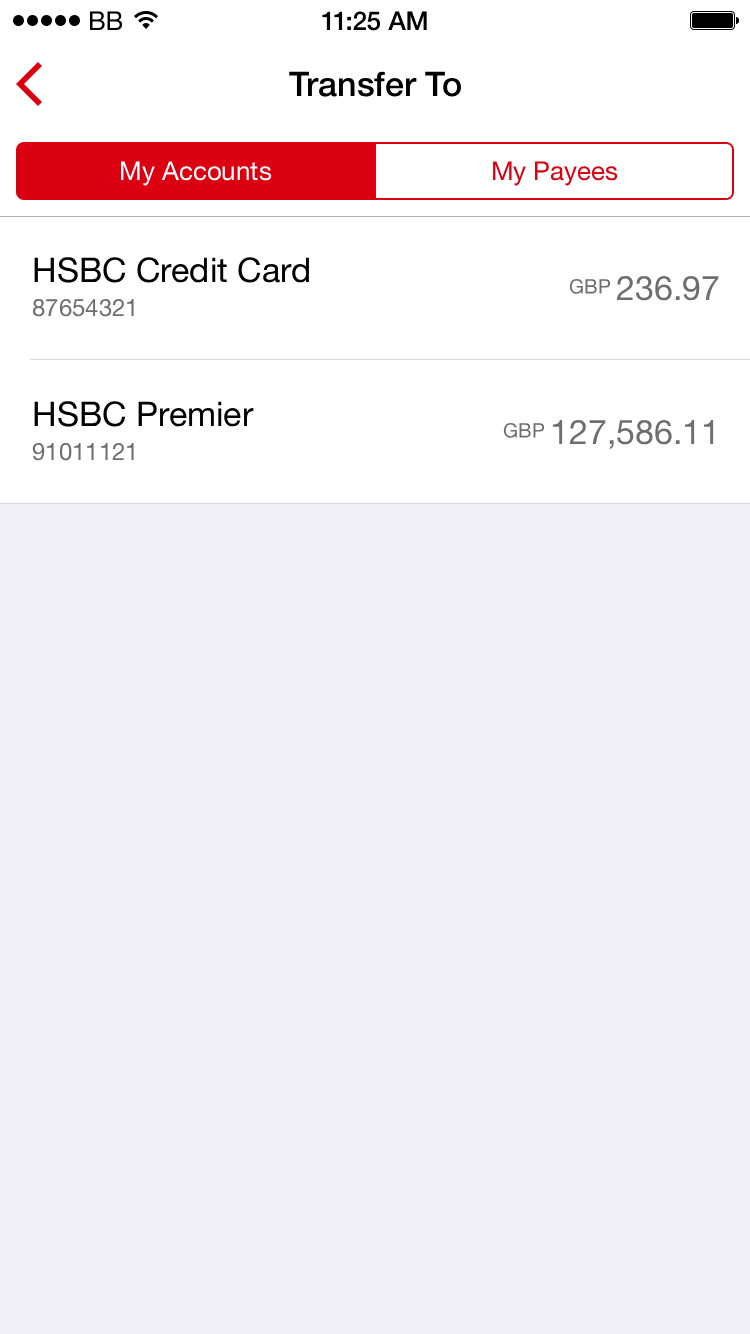
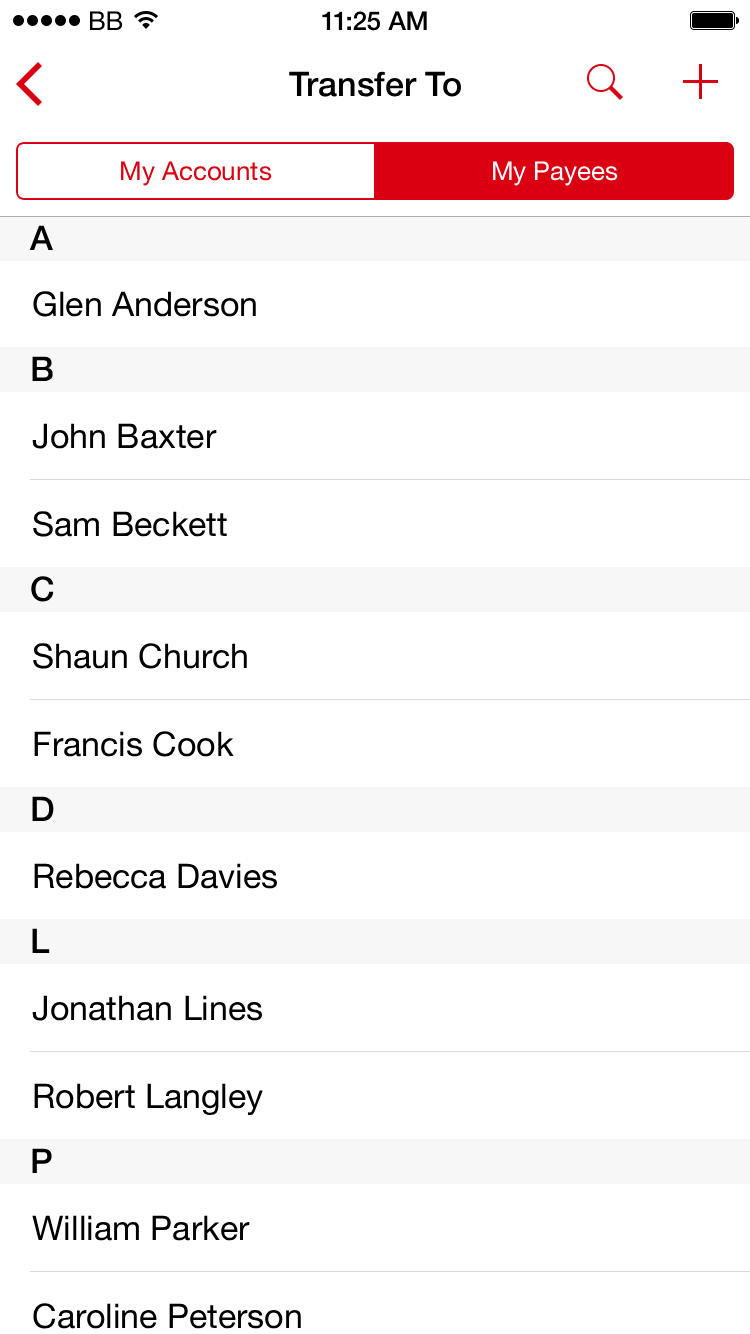

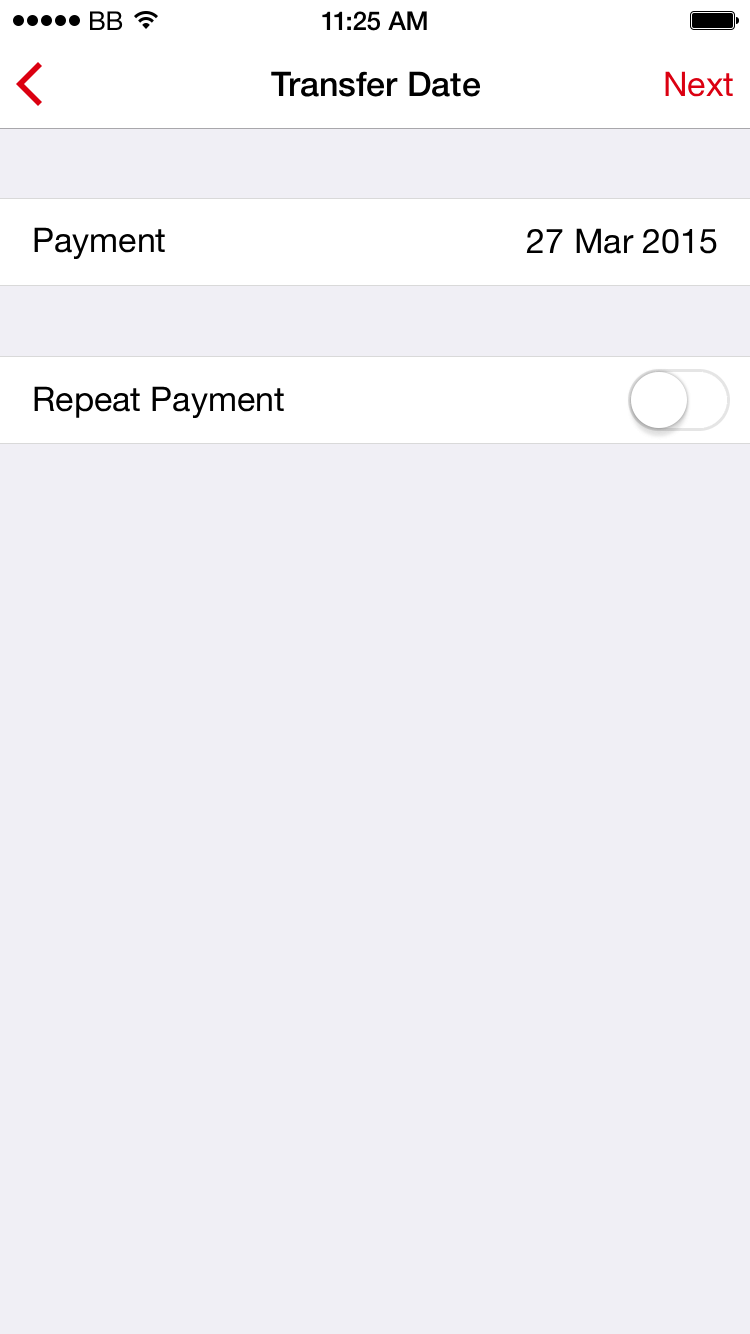
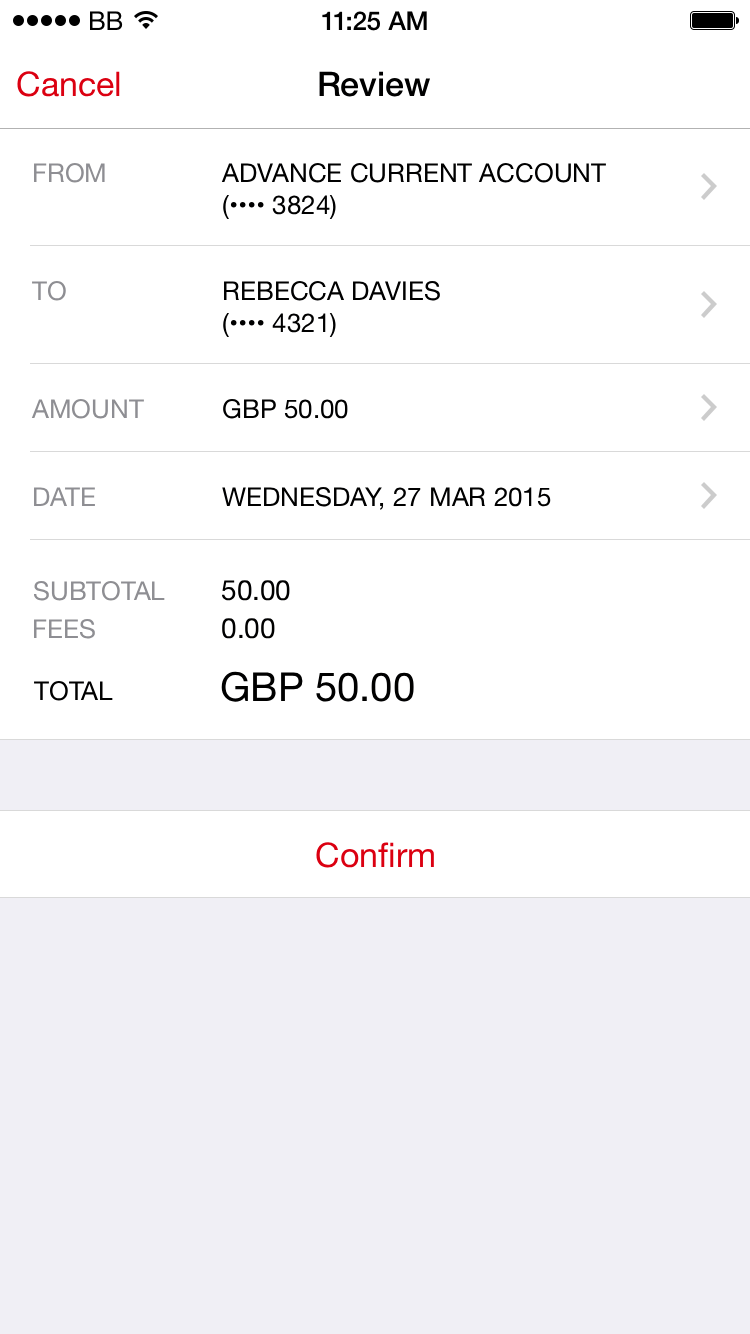
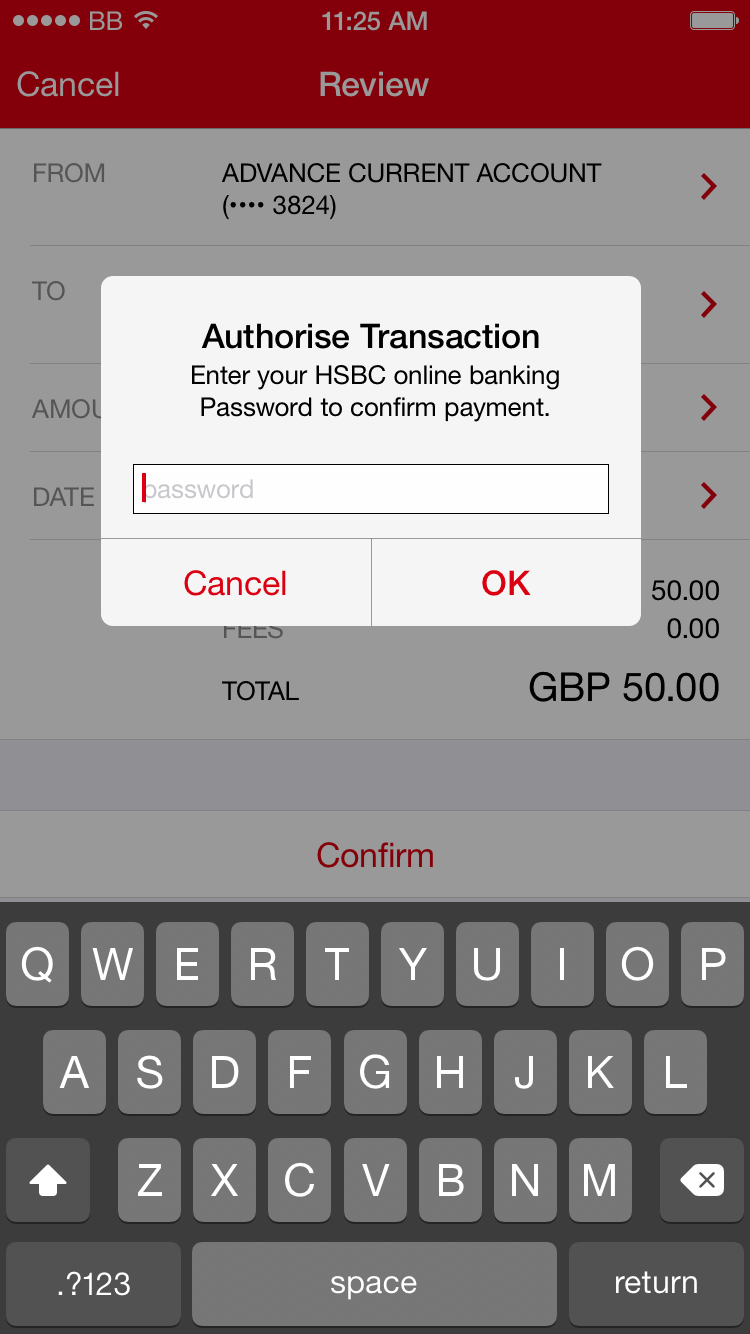
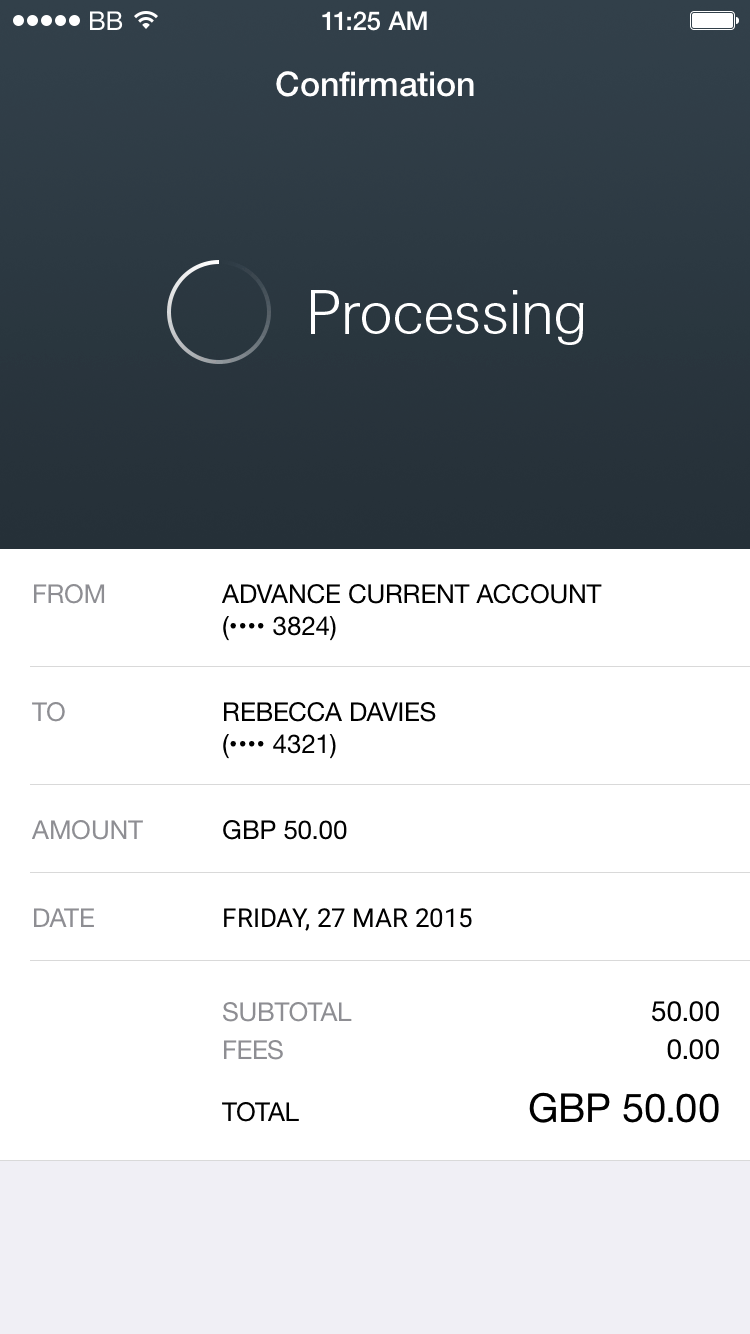
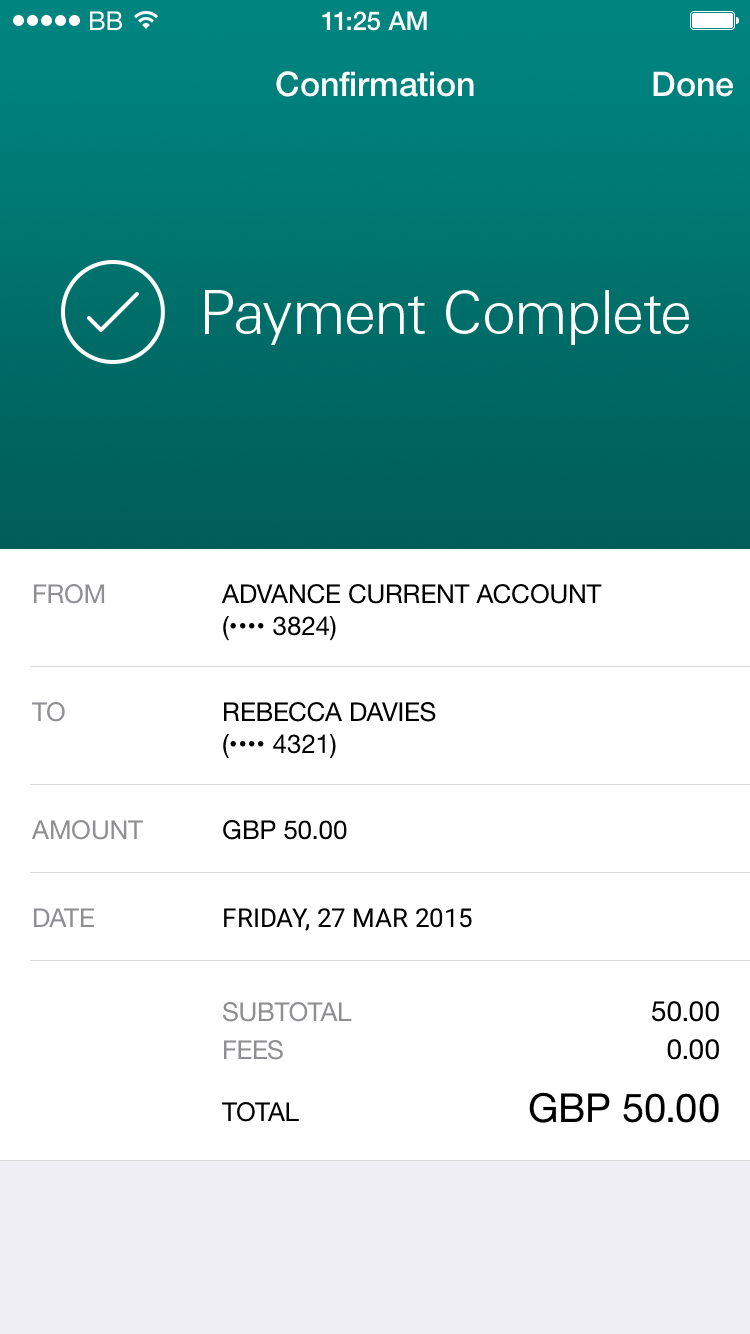
- User journey: Transfering money
- 1. Select source account
- 2. Choose account or payee
- 3. Browse contacts list (iOS style)
- 4. Enter amount with keyboard
- 5. Set date and frequency
- 6. Review payment details
- 7. Authorise transaction
- 8. See processing feedback
- 9. Payment confirmed
Solution
The Smart Investment
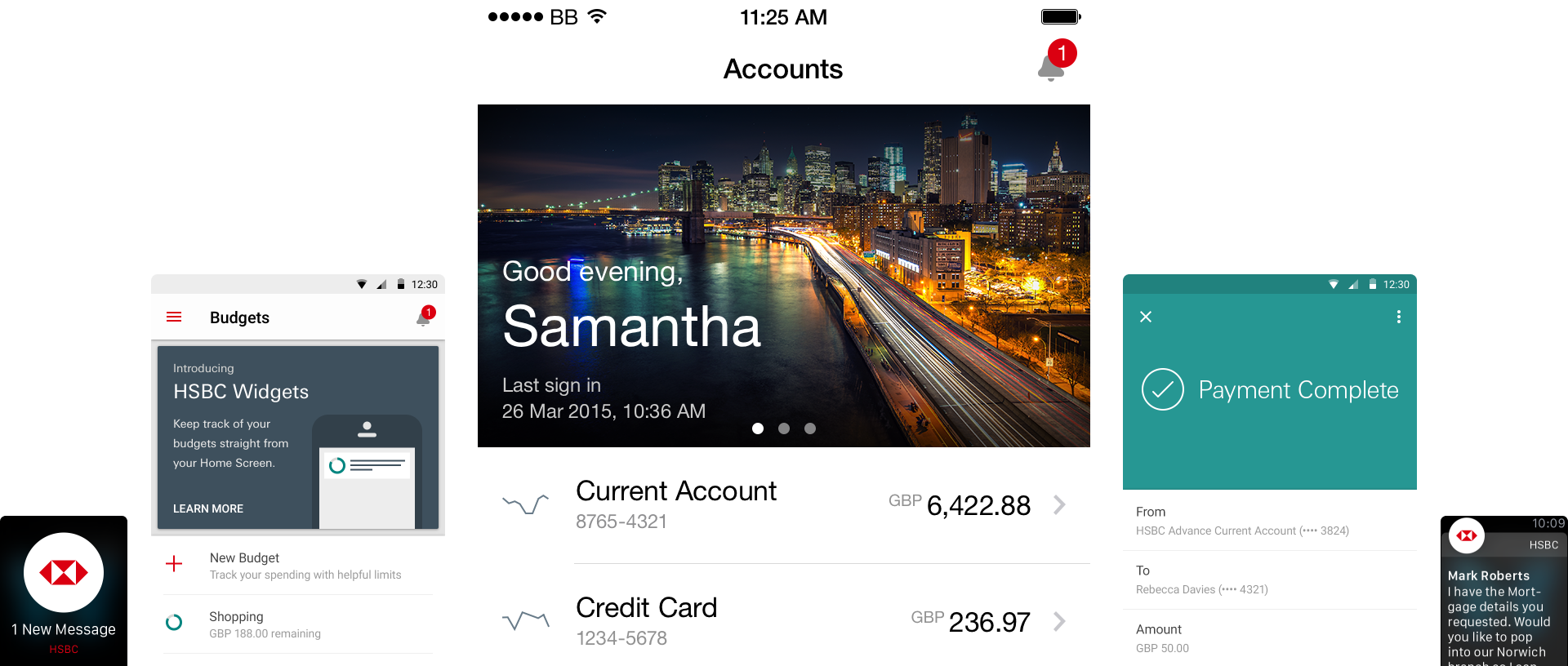
The MSP 2.0 concept reimagined HSBC’s mobile experience as fast, personal, and natively integrated.
Key concepts included:
- Branded sign-in with biometric and passcode access
- Contextual insights for balances, budgets, and goals
- Gesture-based views, switching between summaries and detail
- Positive feedback using audio, haptics, and motion
- Quick-access tools for everyday banking tasks
- Embedded help for complex journeys
- Native accessibility using OS-level text, contrast, captions, and voiceover
- Home screen widgets for instant account access
- User-controlled navigation and feature prioritisation
Together, these concepts demonstrated how native-first thinking could transform the banking experience.
“This is what our apps are missing. Overcoming the technicalities of providing global language support has taken our eye off of the user experience, and that needs to change.”
— James Bailey, UK Digital Design Lead

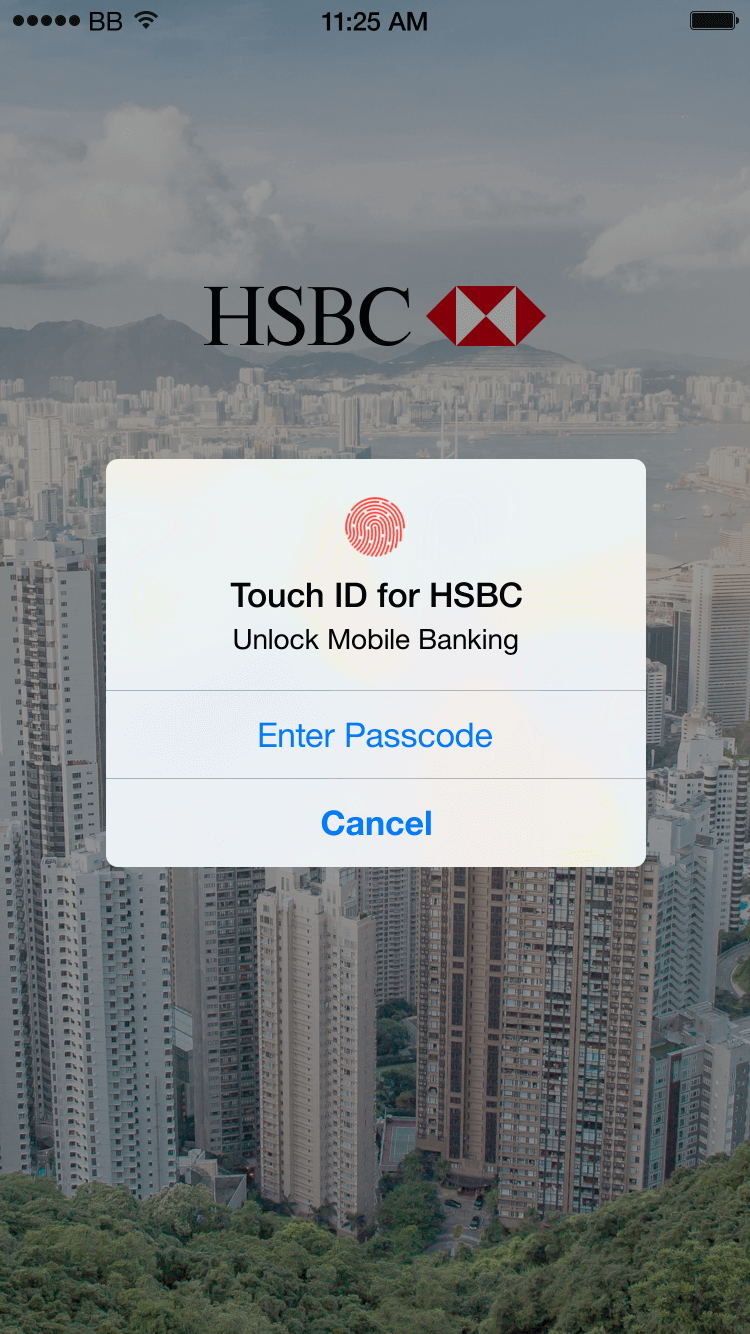
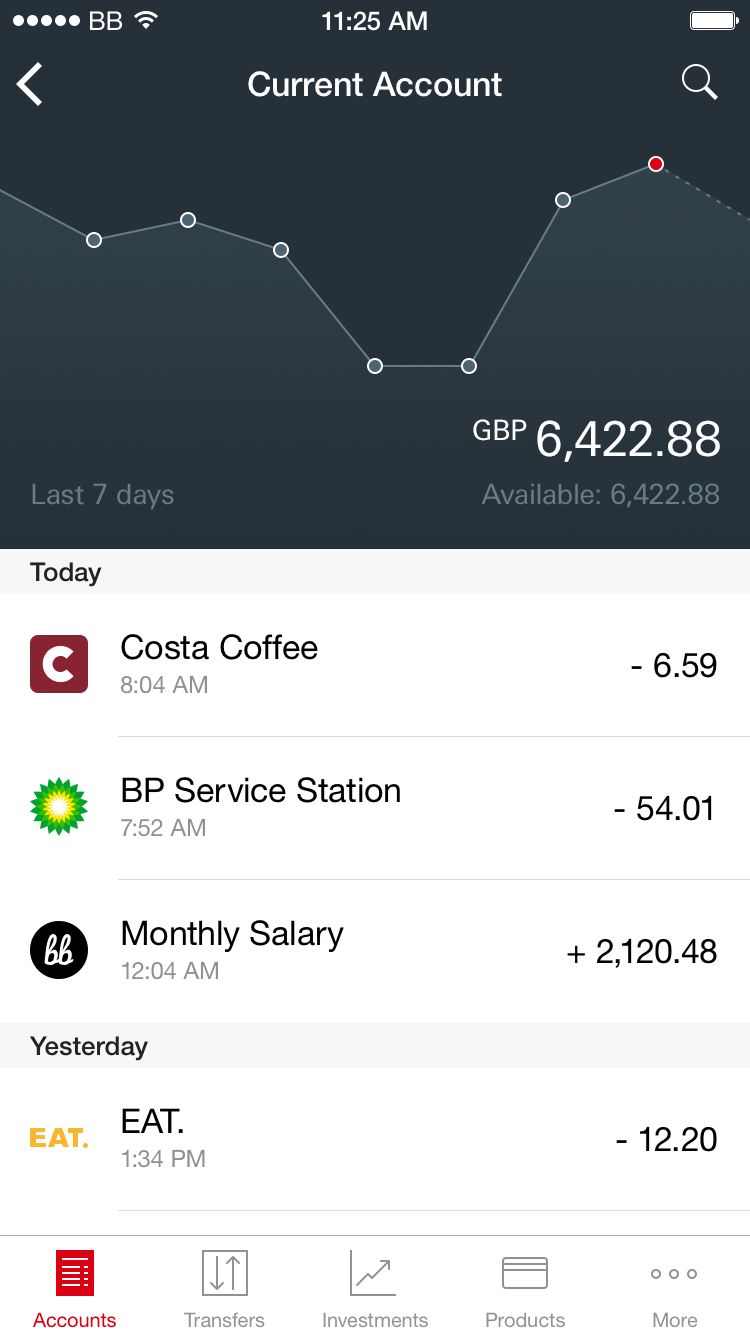

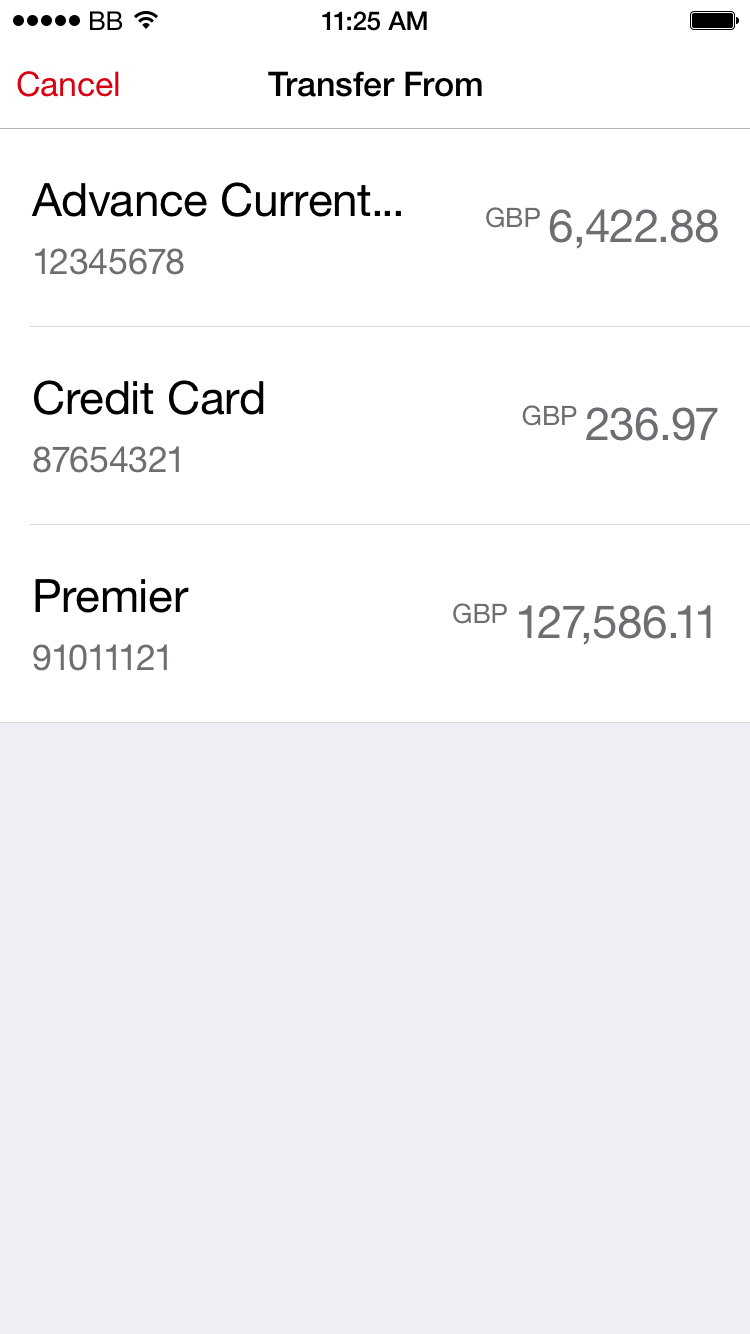
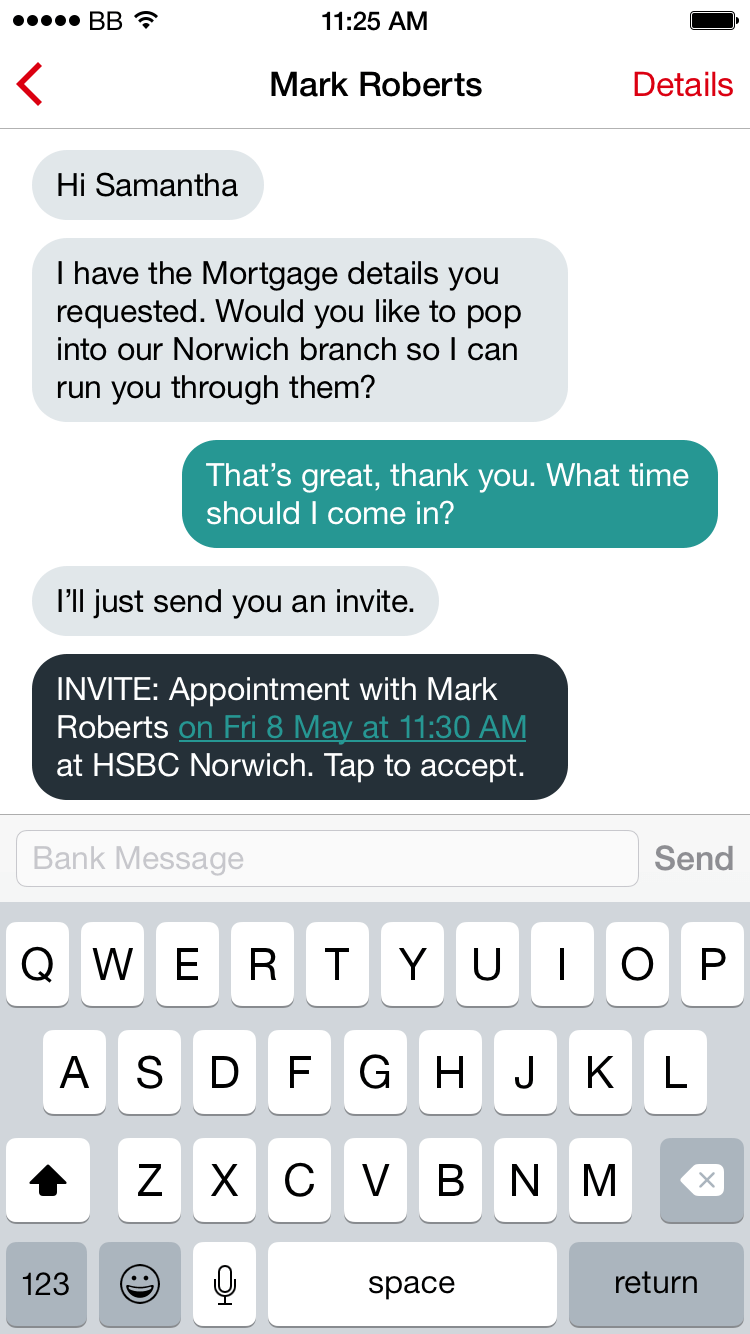
- Branded, region-specific splash screen
- Biometric or password unlock
- Personalised welcome screen dashboard
- Contextual balances, budgets, and goals
- Rotate for detailed views
- Native OS accessibility
- Native messaging and features
Impact
Gaining Interest
Although the work was conceptual, the ideas were validated internally through walkthroughs, prototypes, and feasibility mapping within HSBC’s compliance framework.
While MSP 2.0 did not ship in full, it provided a clear mobile strategy for the future. Key concepts such as biometric login, simplified money movement, and native-first design influenced later product roadmaps.
By reframing mobile as the primary customer channel, HSBC was better positioned to compete with fast-moving digital banks.
“Jon helped us see the benefits of deploying a native app over a hybrid wrapper. Managing two separate apps would unlock native features and solve our biggest customer pain points.”
— Lowene Chan, Product Manager
Reflection
The Bottom Line
This project reinforced how design exploration can shape long-term strategy.
Even without immediate deployment, a well-crafted vision can shift internal perspectives, influence priorities, and guide future releases. MSP 2.0 helped reframe mobile banking as the primary customer channel, rather than a supporting one.
It showed that sometimes the real impact of design is the direction it sets.