Channelling My Inner Product Designer
Intel
A hardware leader known for processors and servers. Including an in-house team designing performance-driven tech.
Context
A New Season
In the summer of 2012, Intel began an ambitious project to rethink the television experience from the ground up.
The goal was to build an end-to-end TV platform. A purpose-built streaming device running its own operating system, designed for the living room. Live broadcast, on-demand, and streaming content would sit in a single, unified experience, with native support for second screens.
From day one, motion was a core design principle. It wasn’t just visual polish. It was how users would understand a completely new product and interaction model.
Process
Tuning in
The work was highly collaborative, with a small team spanning motion, UX, UI, and product design. Each discipline had a clear focus, which allowed ideas to move quickly without getting diluted.
Motion shaped decisions from the outset. Transitions, focus states, and spatial movement were designed alongside interaction, syncing physical controls with on-screen behaviour. This helped complex interactions feel natural, without relying on instruction.
With custom hardware and a greenfield product, concepts moved rapidly from exploration into refined, production-ready interactions.
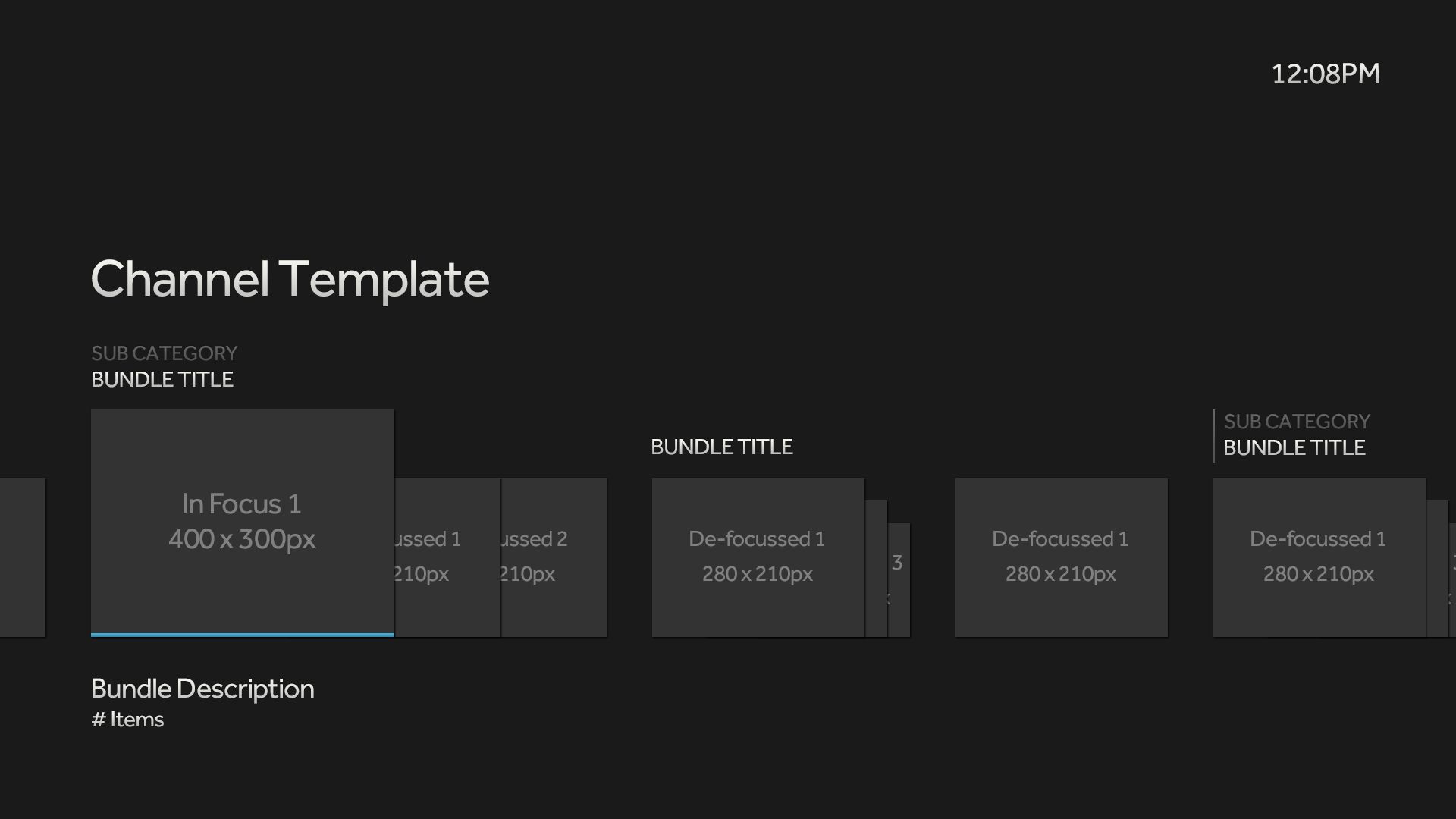
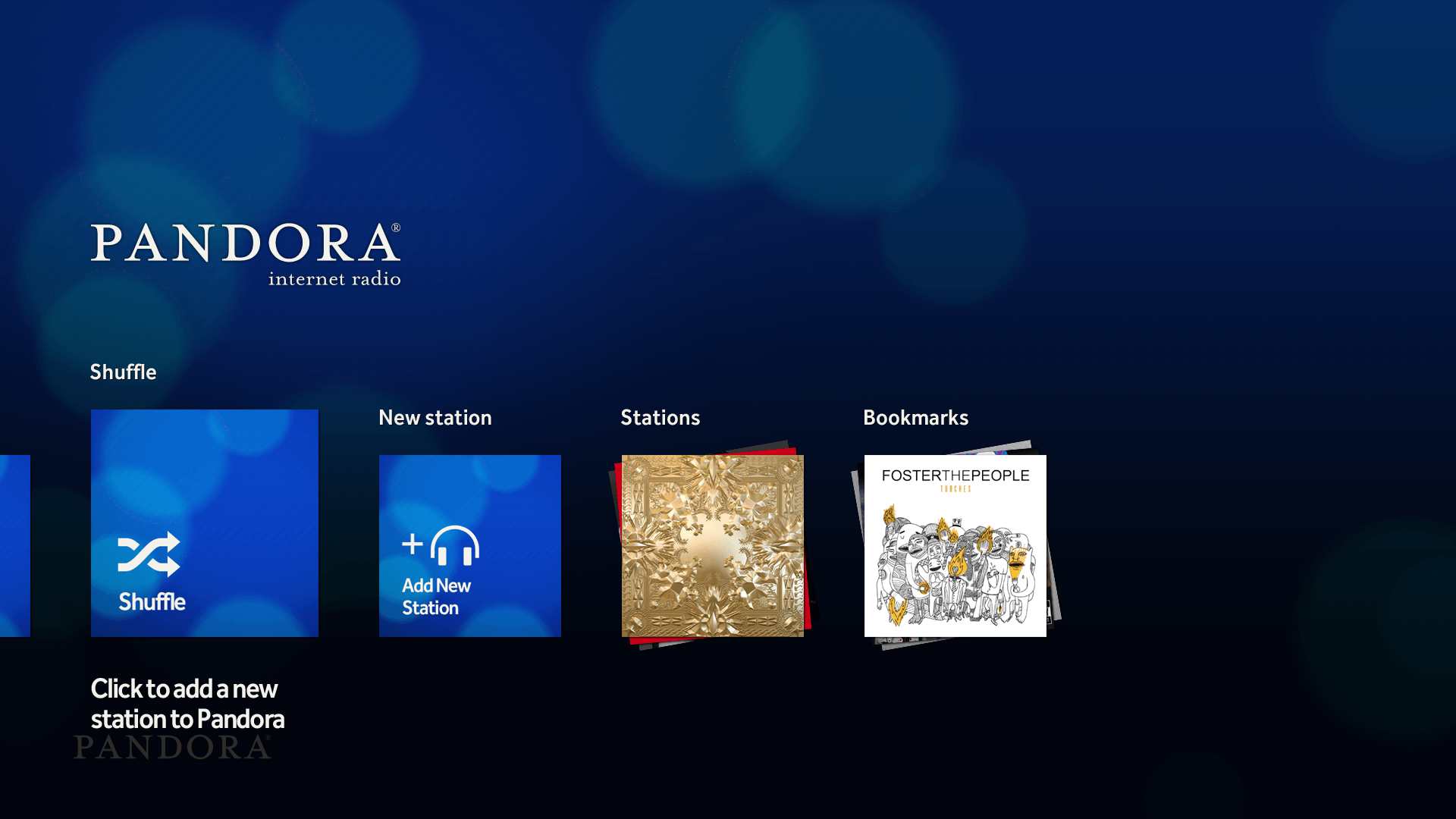
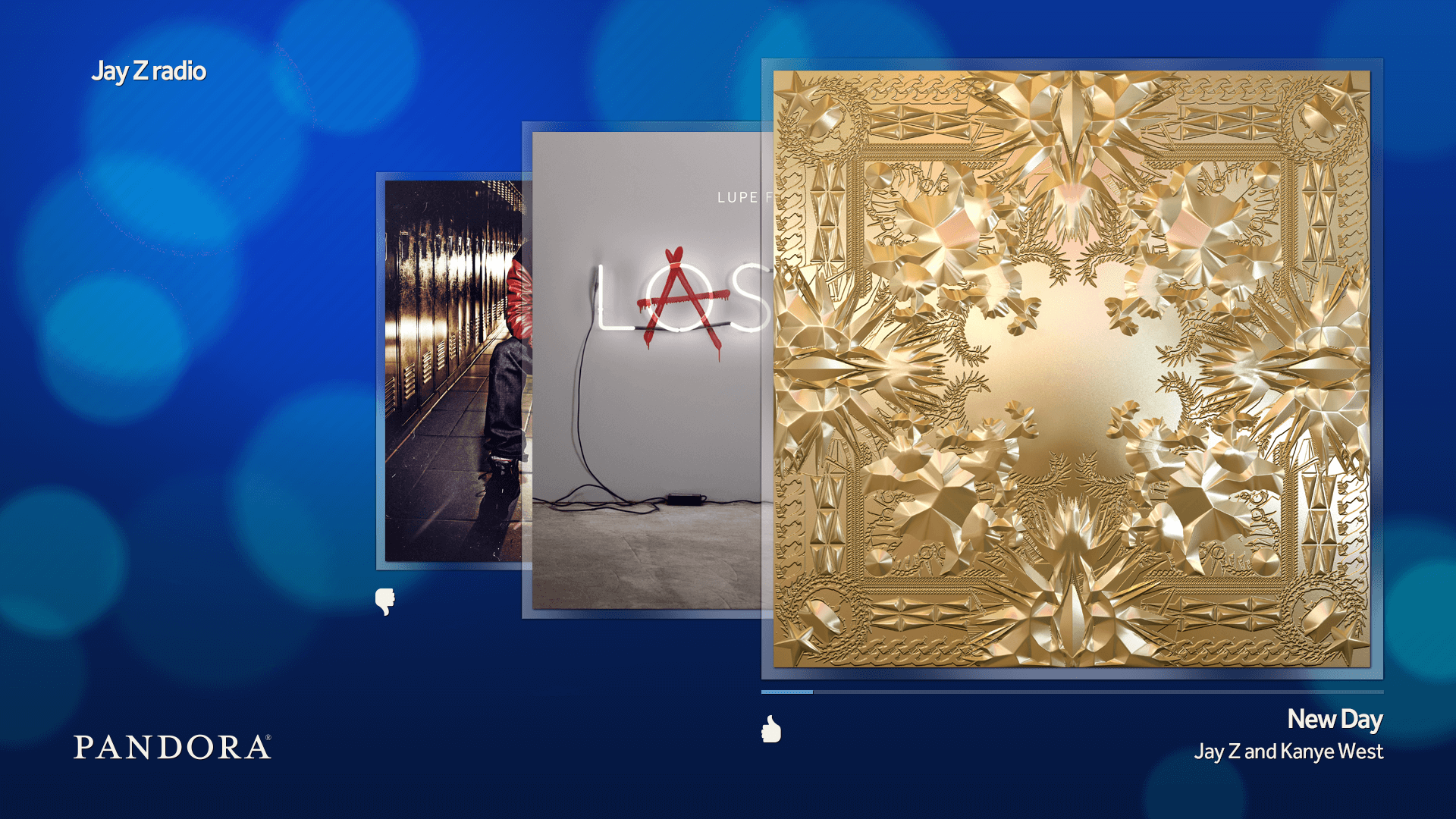
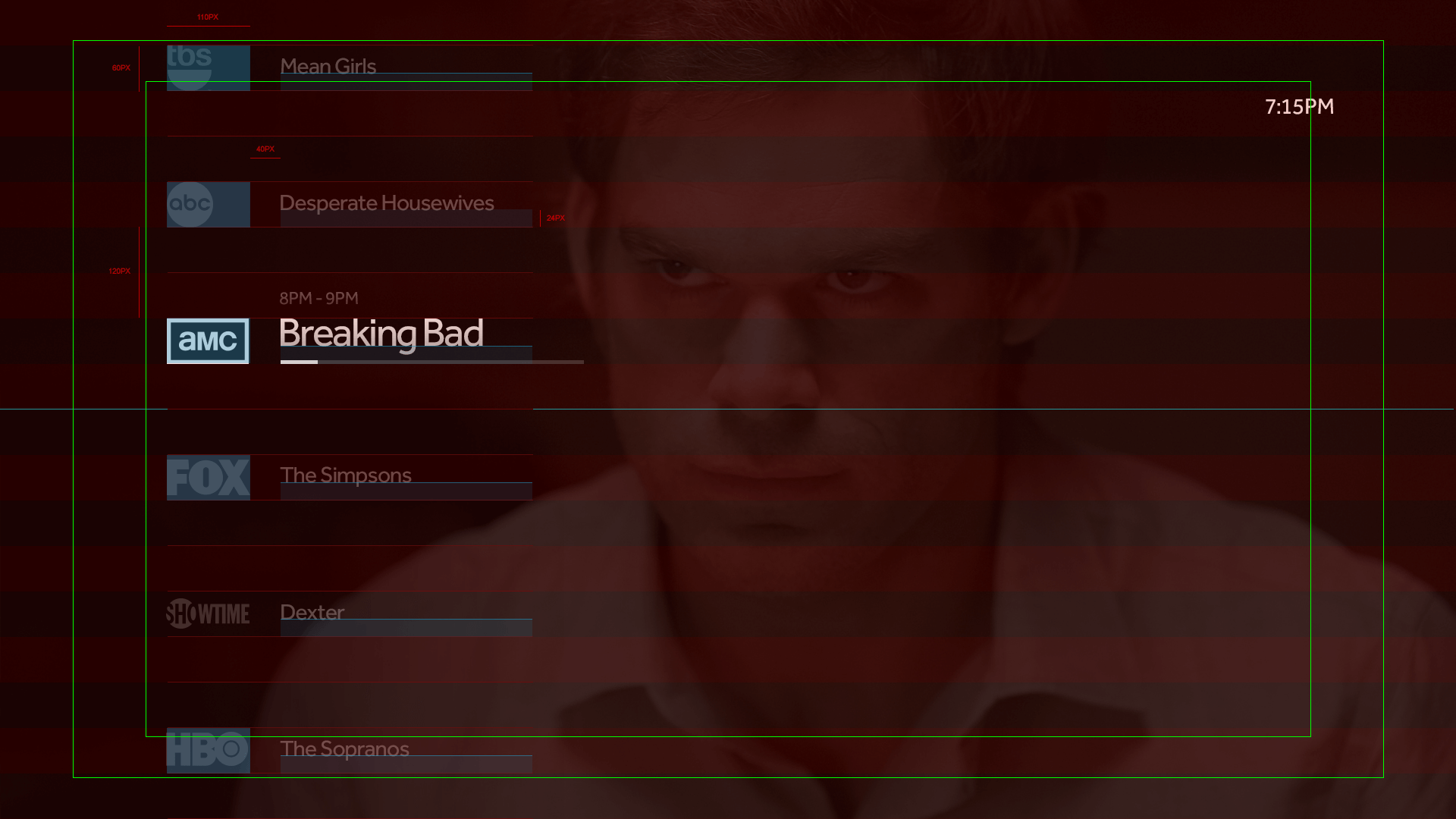
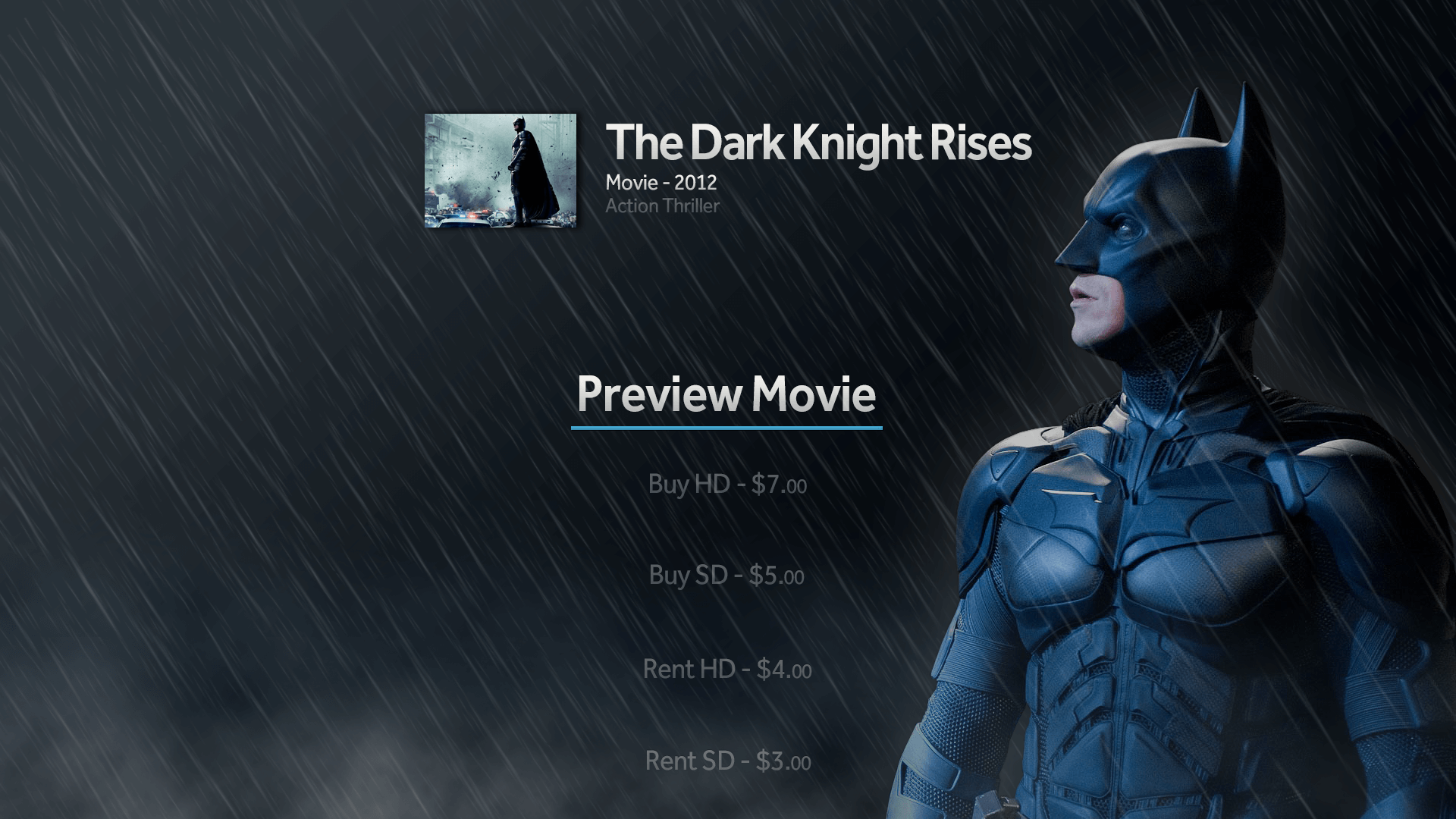
- Created flexible templates for TV and film show cards
- Integrated music apps with playlist and playback support
- Enhanced album art for sustained visual interest
- Standardised channel lists across logo formats
- Designed curated screens to elevate cinematic discovery
Solution
Picture Perfect
The final experience prioritised clarity, discovery, and momentum, bringing together live TV, on-demand, and streaming into a single, coherent system designed for the living room.
The solution included:
- UX and UI design for Intel’s new television operating system
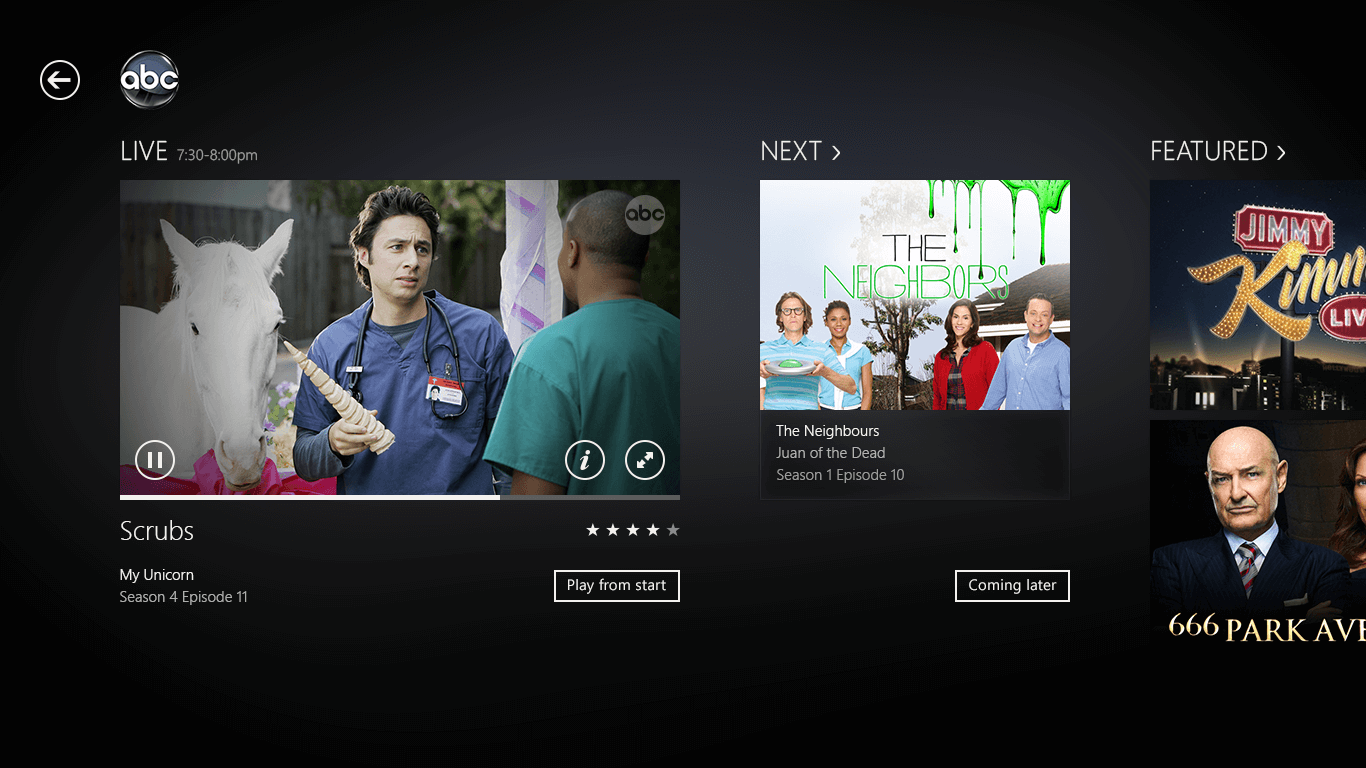
- Companion experiences across iPad and Windows 8
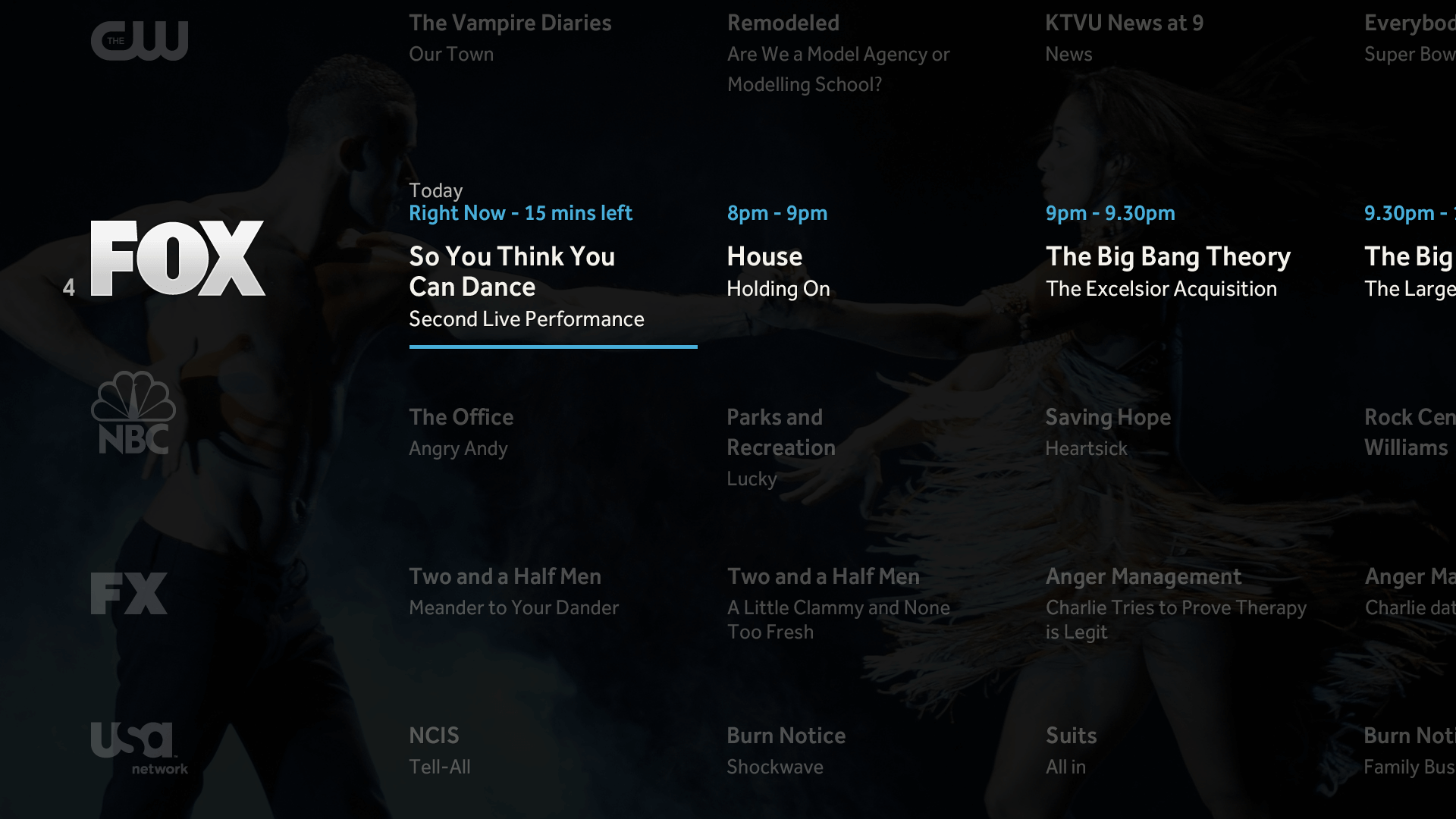
- Large-screen Electronic Program Guides designed for distance viewing
- Curated content experiences, including show cards and movie landing screens
- Watch Together features enabling synchronised social viewing
- Integrated Skype video calling within the TV experience
- Iconography, components, and layout systems designed with motion at their core
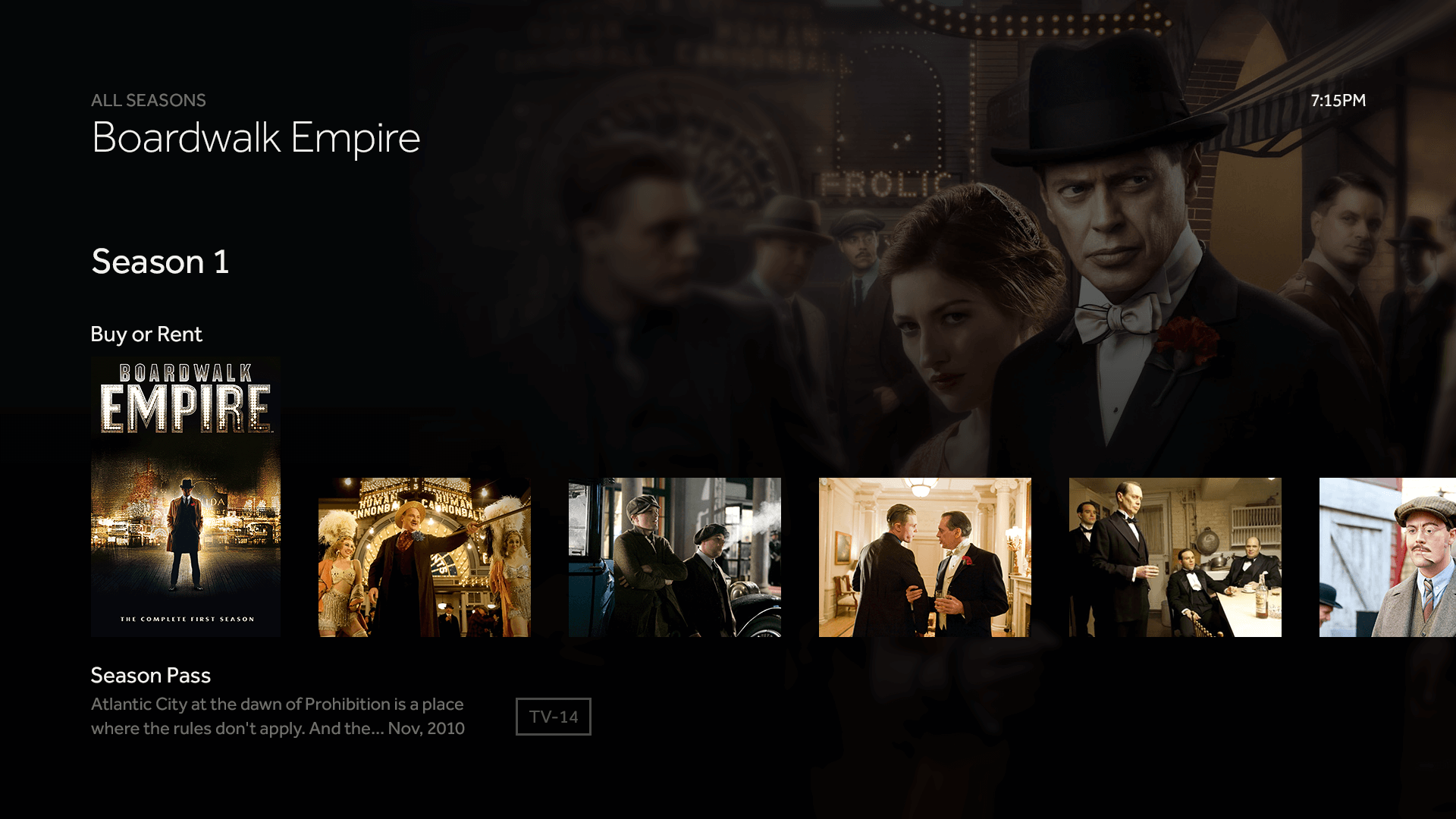
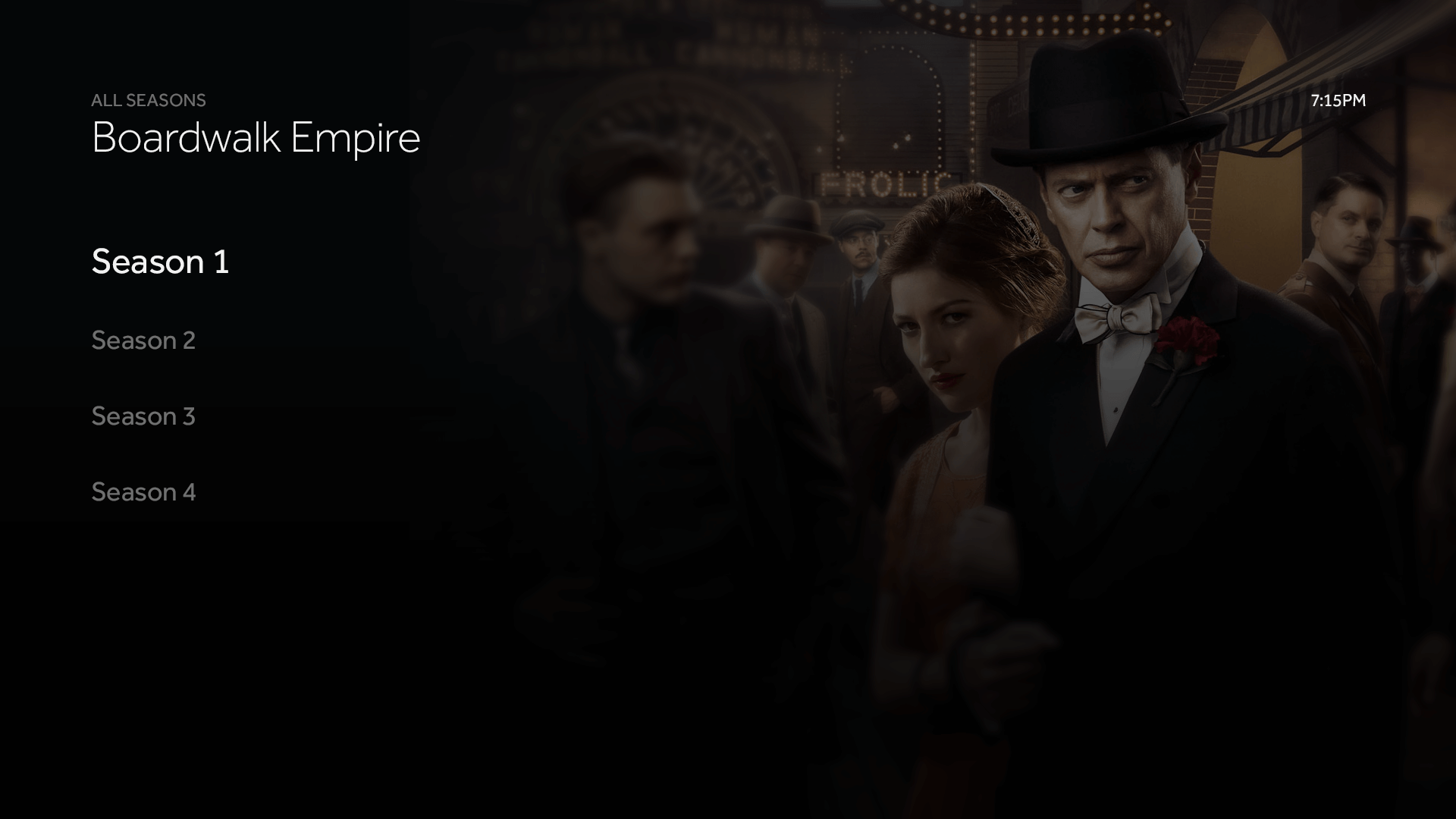
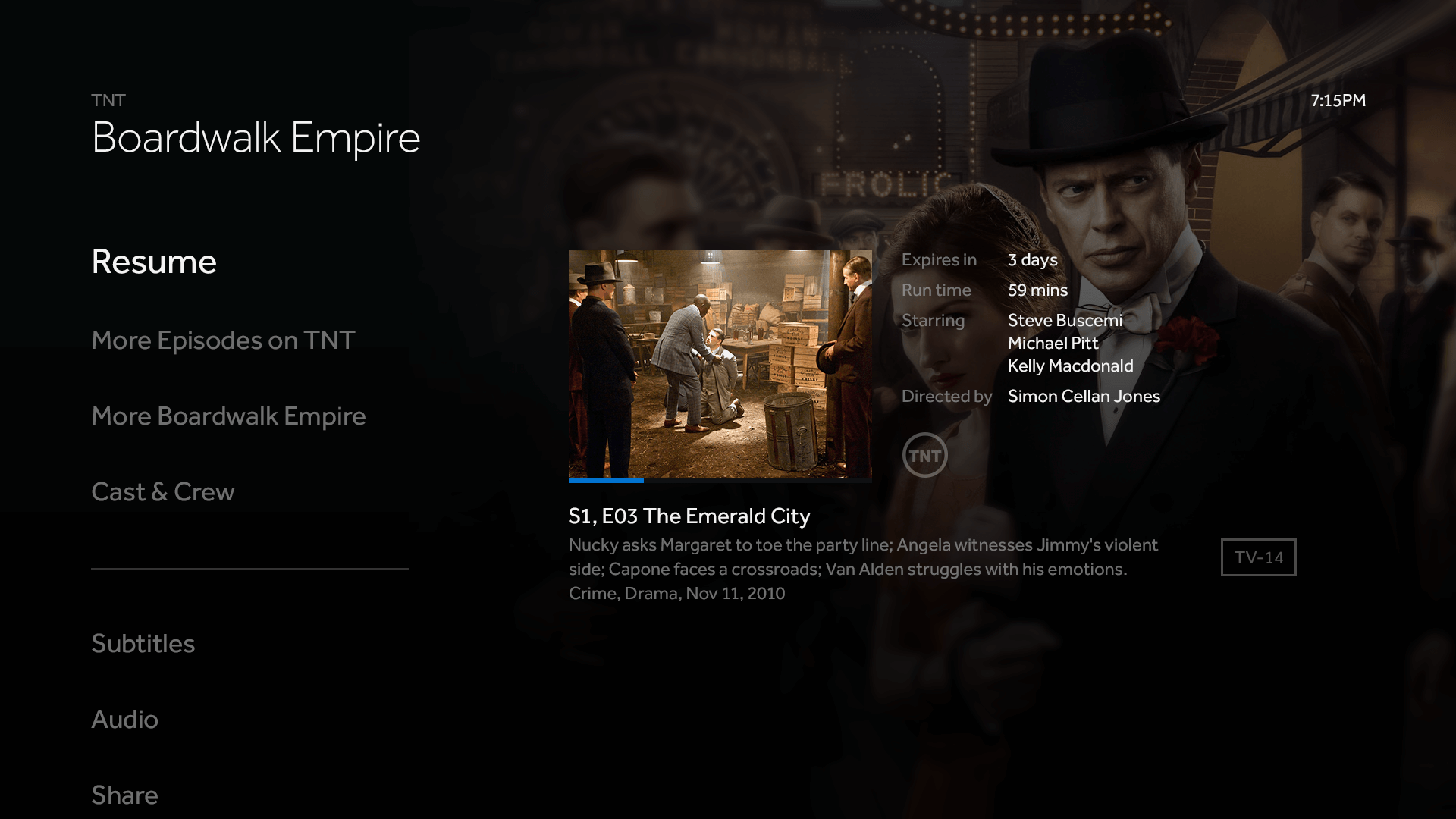

- Designed episode selection with purchase options
- Built season selectors for series navigation
- Created series landing screens for discovery
- Developed EPGs for live, future, and past playback
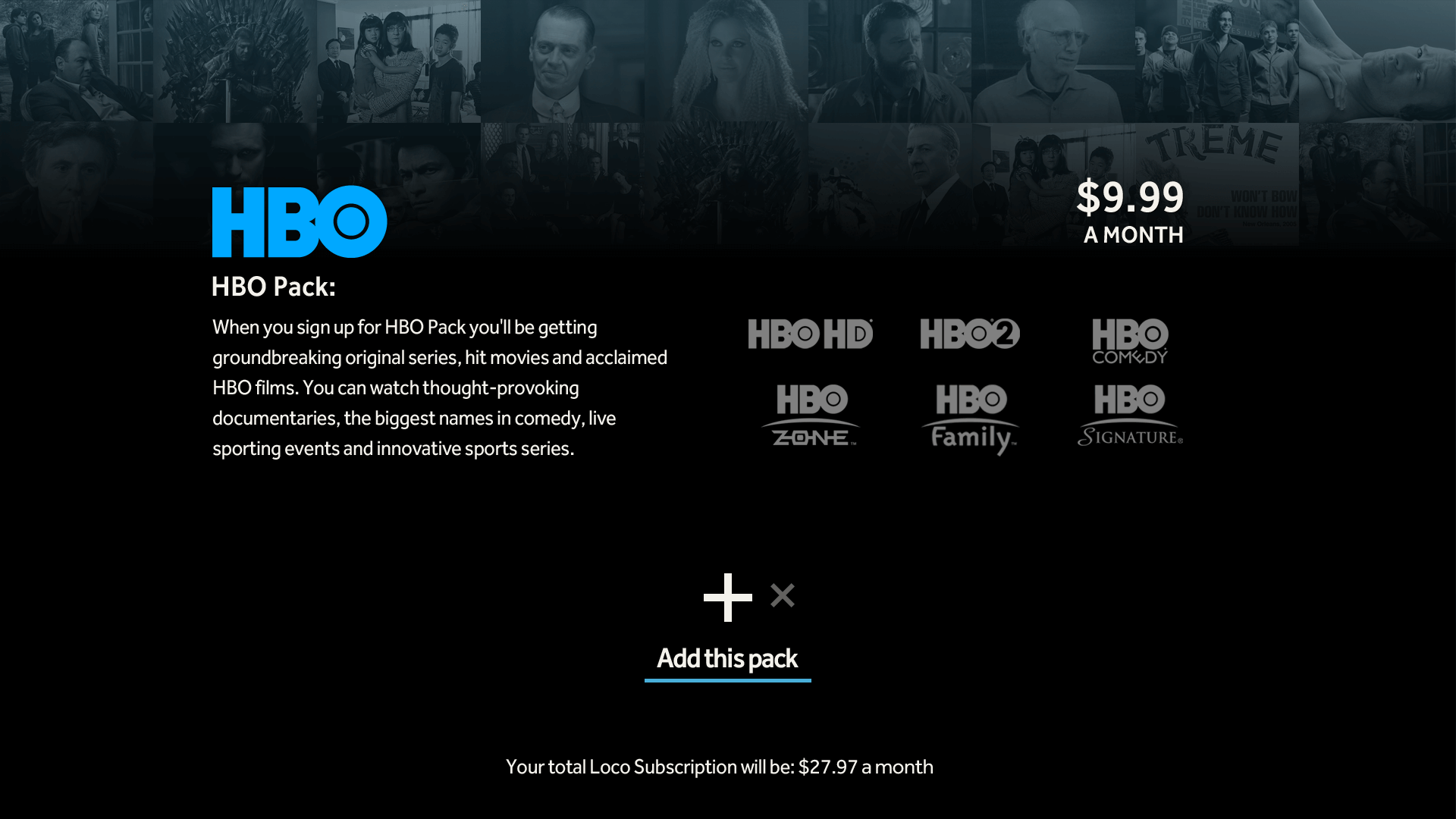
- Defined TV package purchase flows
- Designed ABC-branded Windows tablet landing screen
- Created Windows tablet playback experience
- Designed episode selection with purchase options
- Built season selectors for series navigation
- Created series landing screens for discovery
- Developed EPGs for live, future, and past playback
- Defined TV package purchase flows
- Designed ABC-branded Windows tablet landing screen
- Created Windows tablet playback experience
Impact
Show Stopping
The project delivered a cohesive TV experience that brought together live broadcast, on-demand, and streaming content into a single system designed for the living room.
Key outcomes included:
- A fully native, OS-level experience built specifically for TV
- Motion-led interaction that made physical controls feel intuitive
- A strong design foundation spanning hardware and companion devices
Although the product did not launch under Intel, the platform reached a high level of maturity. This led to the technology and team being acquired by Verizon, as Intel refocused on its core business.
“It's his last day on the project and Jon still has his head down producing work!”
— Michael Albers, Creative Director
Reflection
Roll the Credits
This remains one of the most creatively energising teams I’ve worked in.
Designing with motion as a first-class tool fundamentally reshaped how I approach interaction design. I stopped thinking in static screens and started thinking in systems, behaviours, and transitions.
Being trusted to work at this level, with the power of Intel’s hardware behind us, reinforced how much impact craft, collaboration, and ambition can have when given room to thrive.